
The Philippines, for us, is one of the most beautiful countries in Asia. Not in a postcard-perfect way, but in how real and layered it feels. It’s often described as a place of smiling people and easy humor, but what stood out to us most was the experience of simply living there.

The country is full of contrasts. Vast landscapes exist alongside dense, chaotic urban areas. Nothing feels overly curated. Life happens loudly, openly, and without filters. The Philippines is a great place to live, though being financially stable makes a big difference. It’s affordable in many ways, but not exactly cheap. Still, it feels underrated. There’s depth to the lifestyle and culture if you give yourself time to experience it.
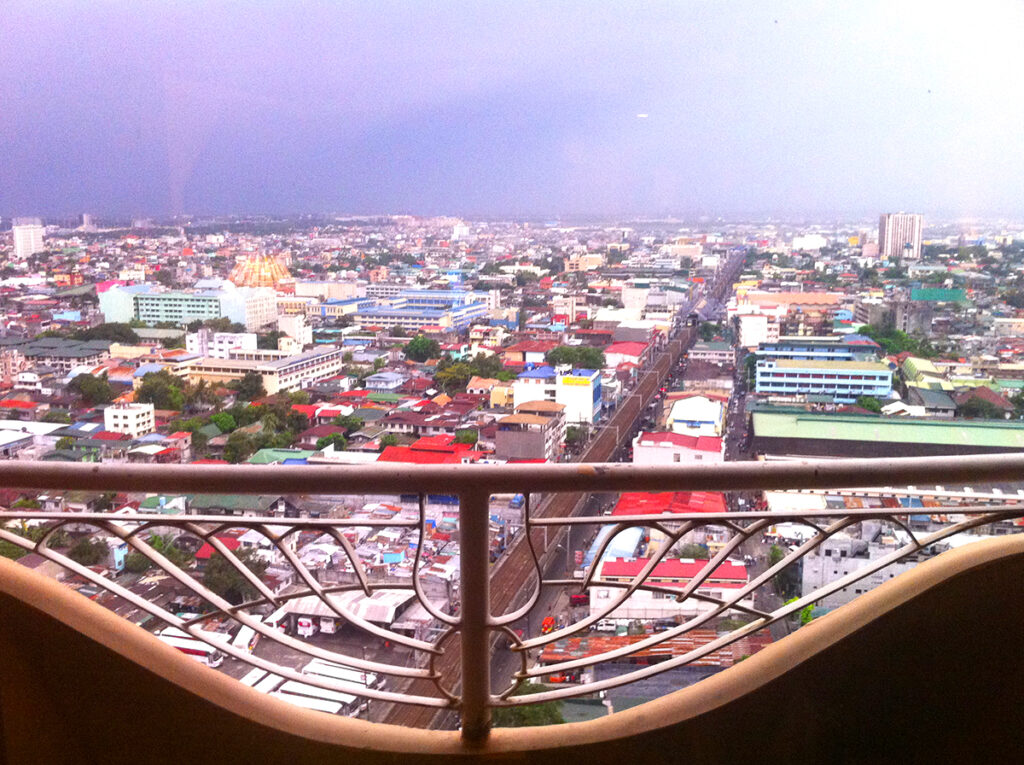
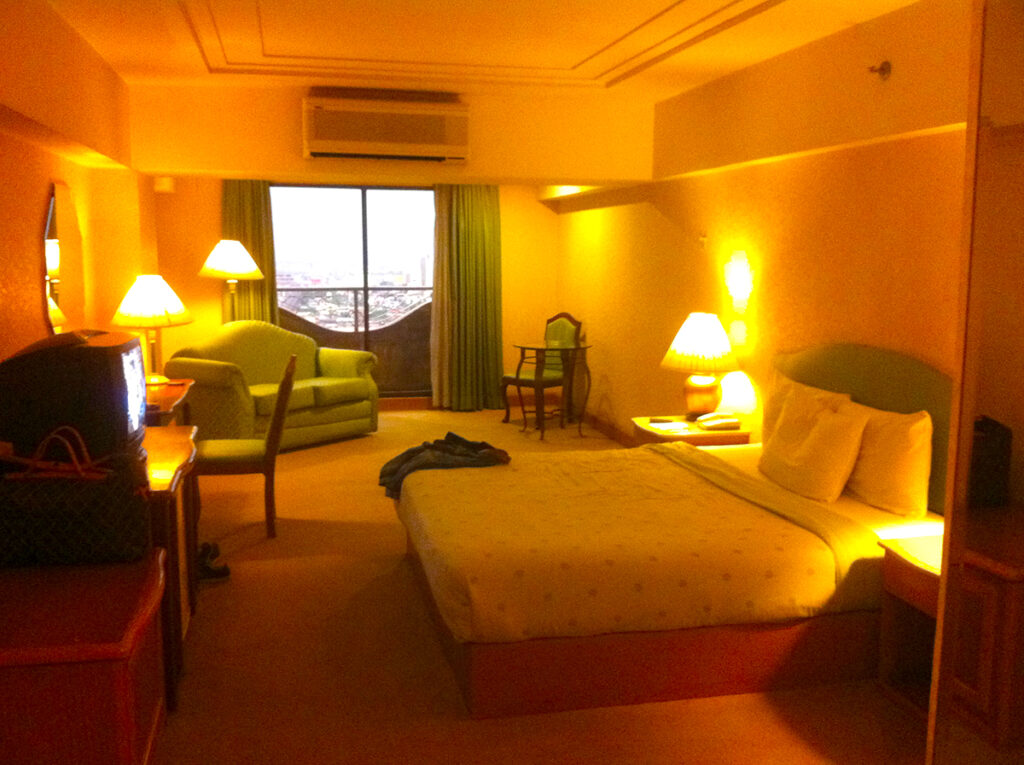
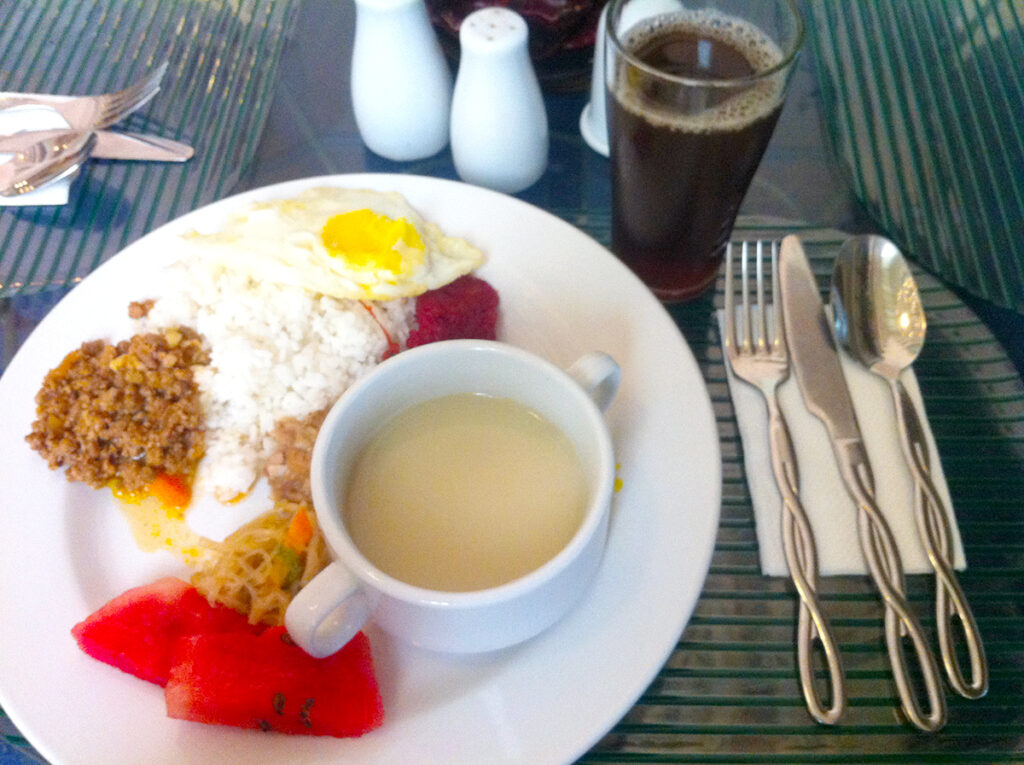
Ki prefers experiencing places the way locals do, so we chose to live that way during our stay. Over six months, we lived in different parts of Metro Manila, including Pasay, Makati, and Pedro Gil. Each area had its own pace and personality, and moving between them gave us a better sense of how daily life flows in the city.
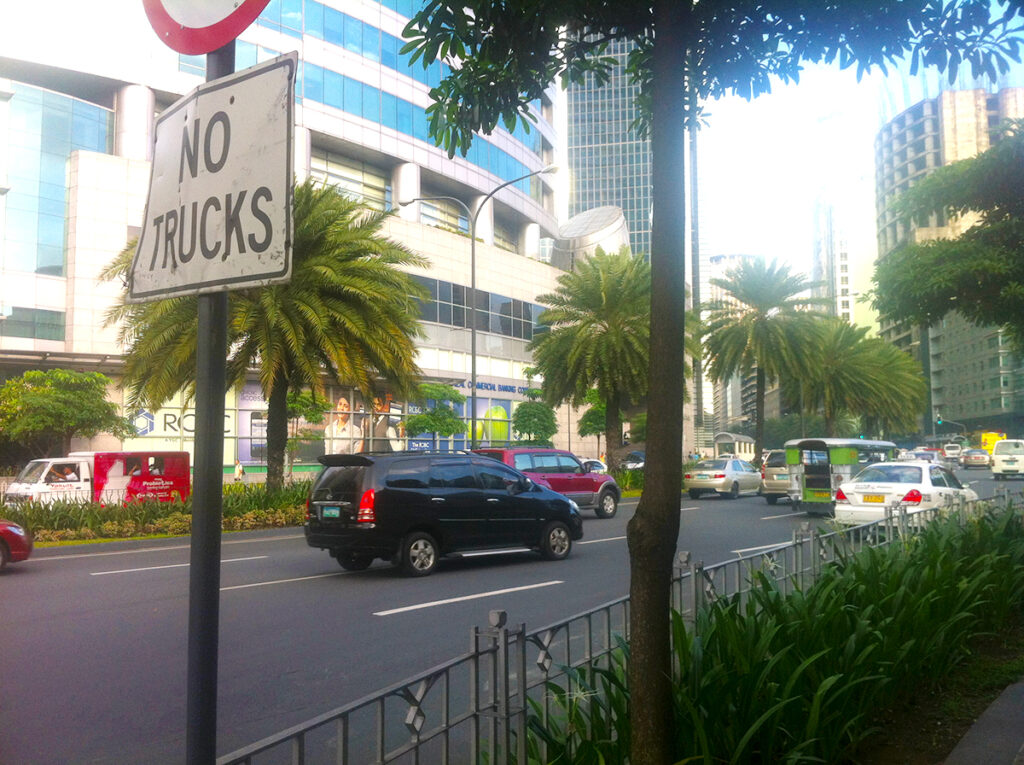
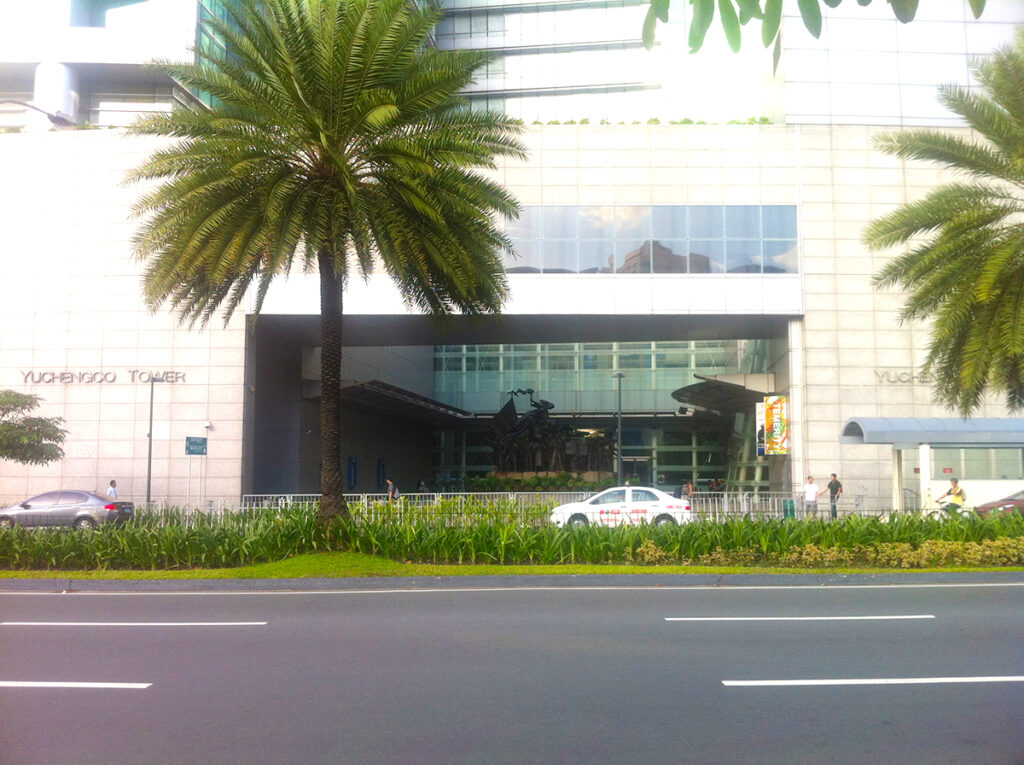
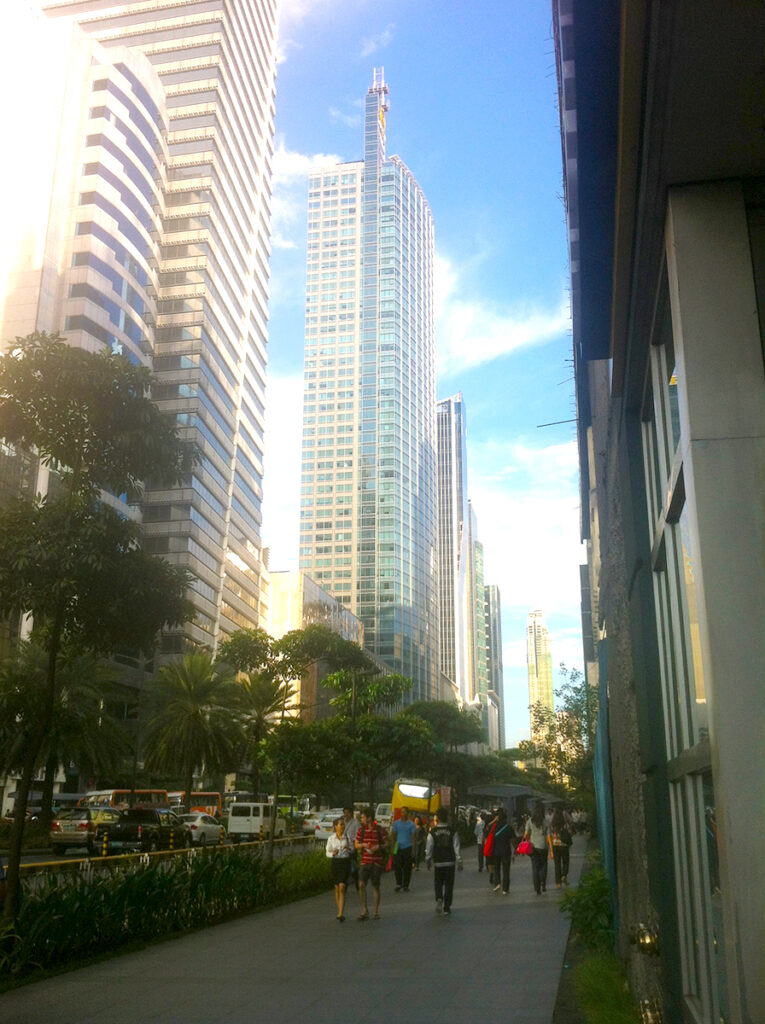


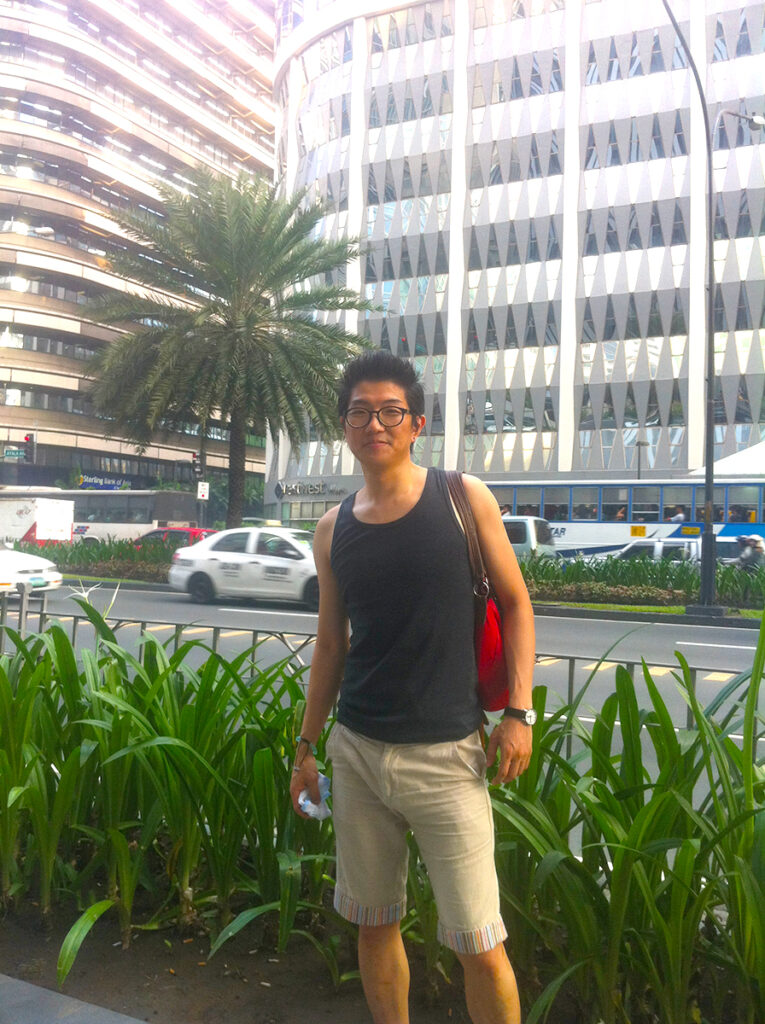
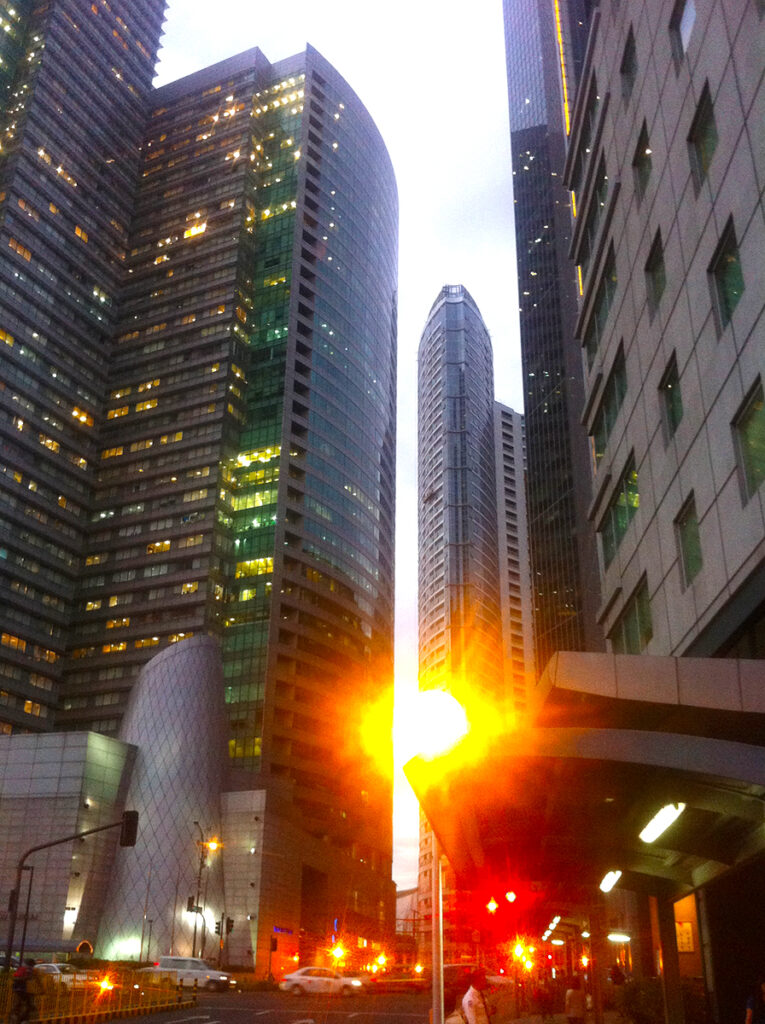
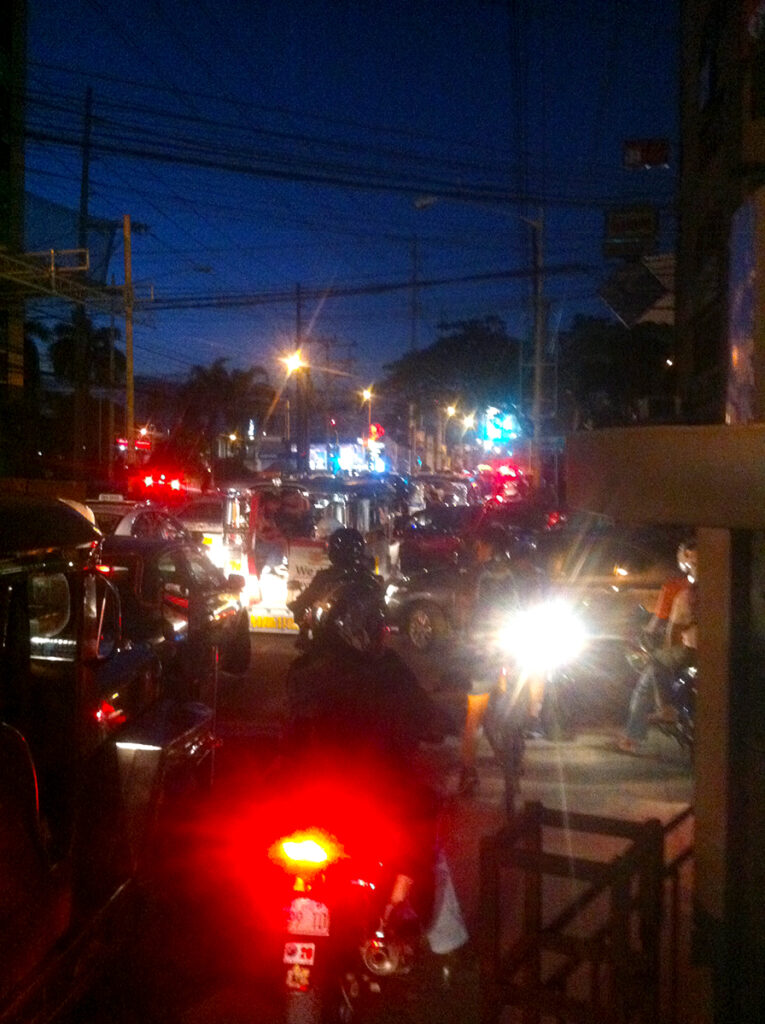
Everyday routines became our way of exploring. We rode jeepneys, navigated crowded streets, and learned to move with the rhythm of the city. On especially hot days, we escaped into large malls, not to shop, but simply to cool down. Sometimes we stayed for hours, wandering, sitting, watching people pass by, letting the heat outside fade into the background.




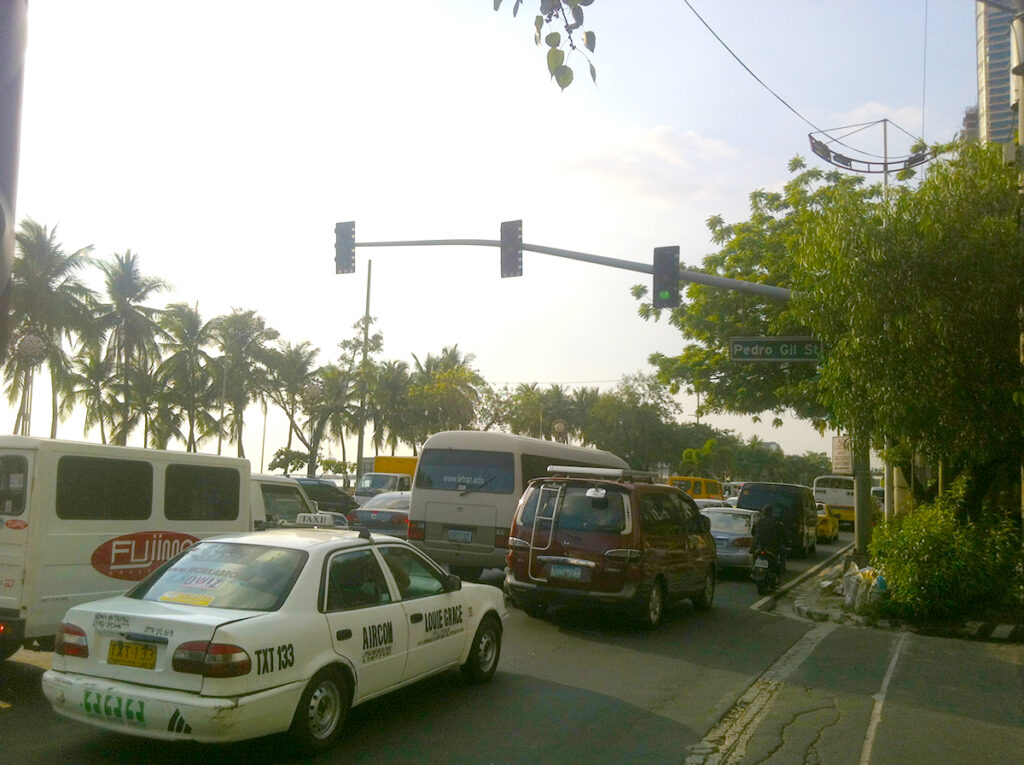
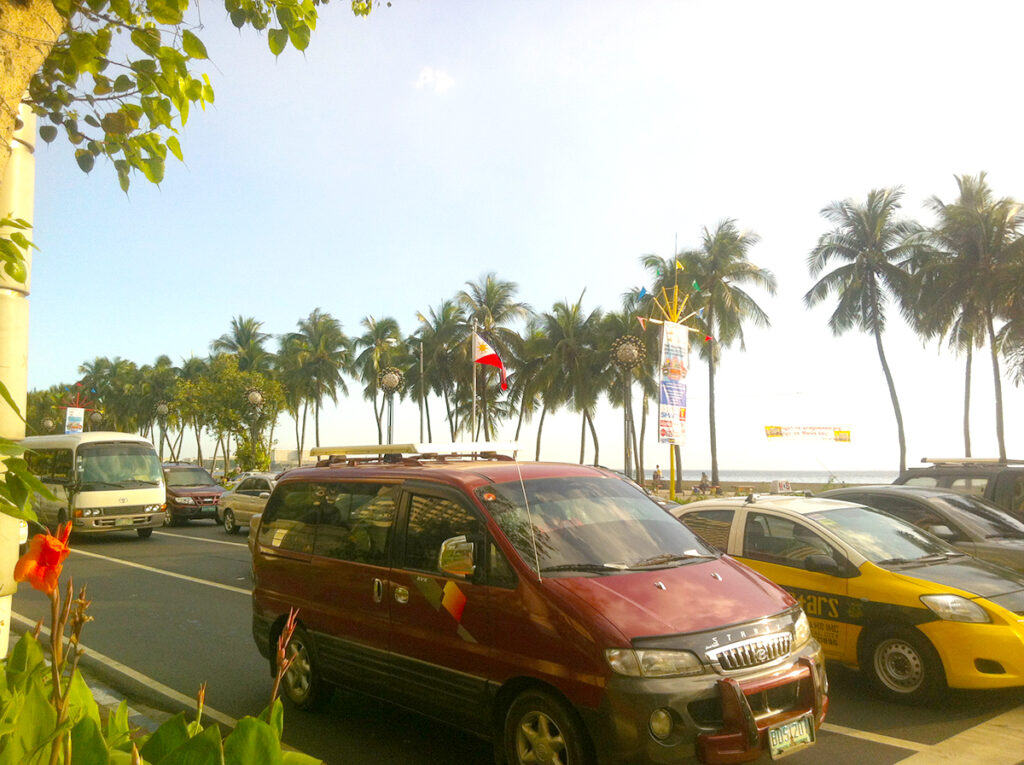
We also experienced the harsher side of life in the Philippines. Typhoons, heavy rain, and flooding, particularly in the Makati area, forced everything to slow down. Streets became impassable, plans changed instantly, and waiting became part of daily life. It wasn’t romantic, but it was real, and it taught us patience more than anything else.



We spent time in local fish markets, walked through street shopping districts like Divisoria, and observed the constant movement of people working, selling, and getting through the day. Divisoria was overwhelming at first, crowded, noisy, and intense, but it revealed a side of the city you don’t see from cafés or high-rise buildings
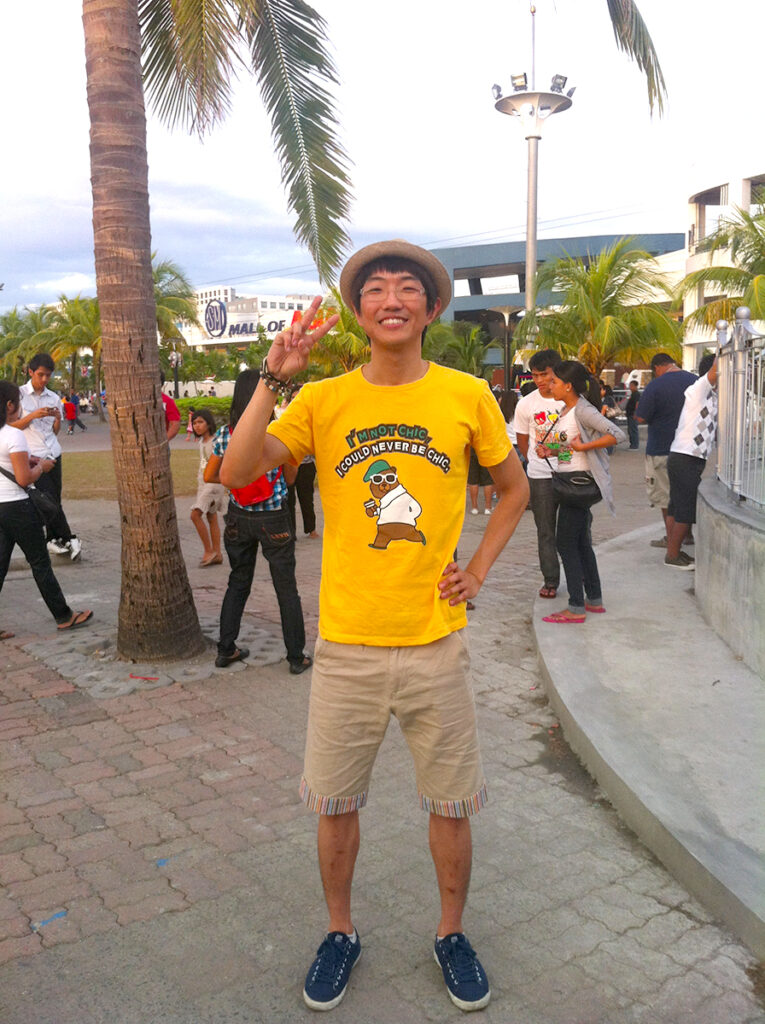
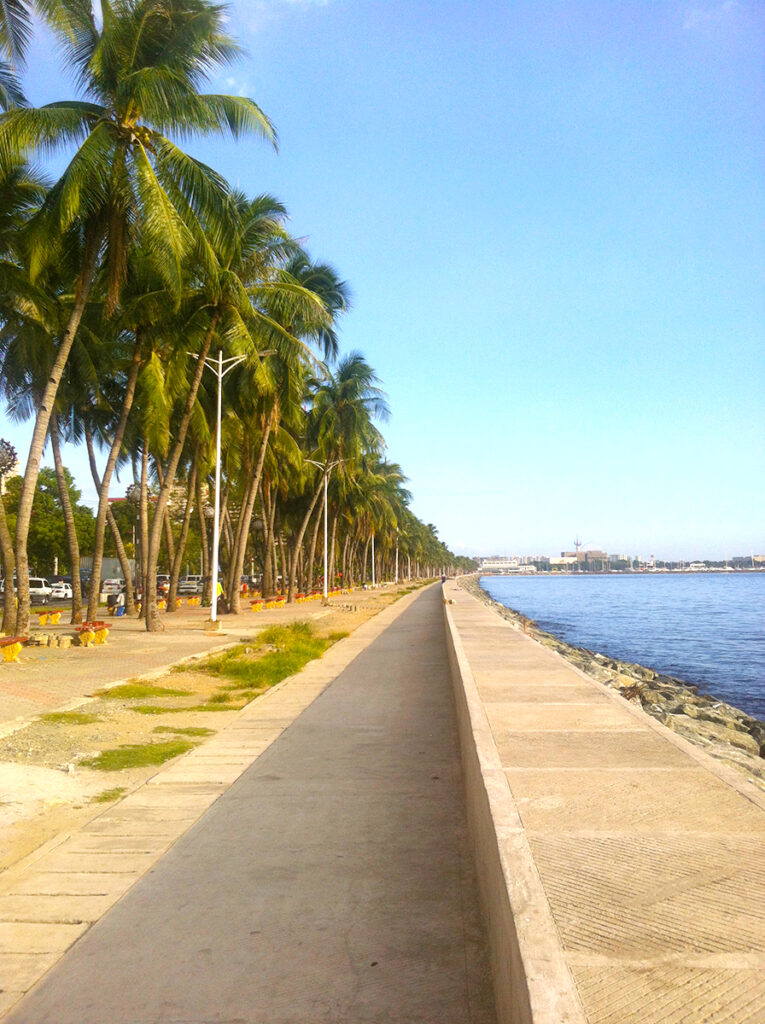
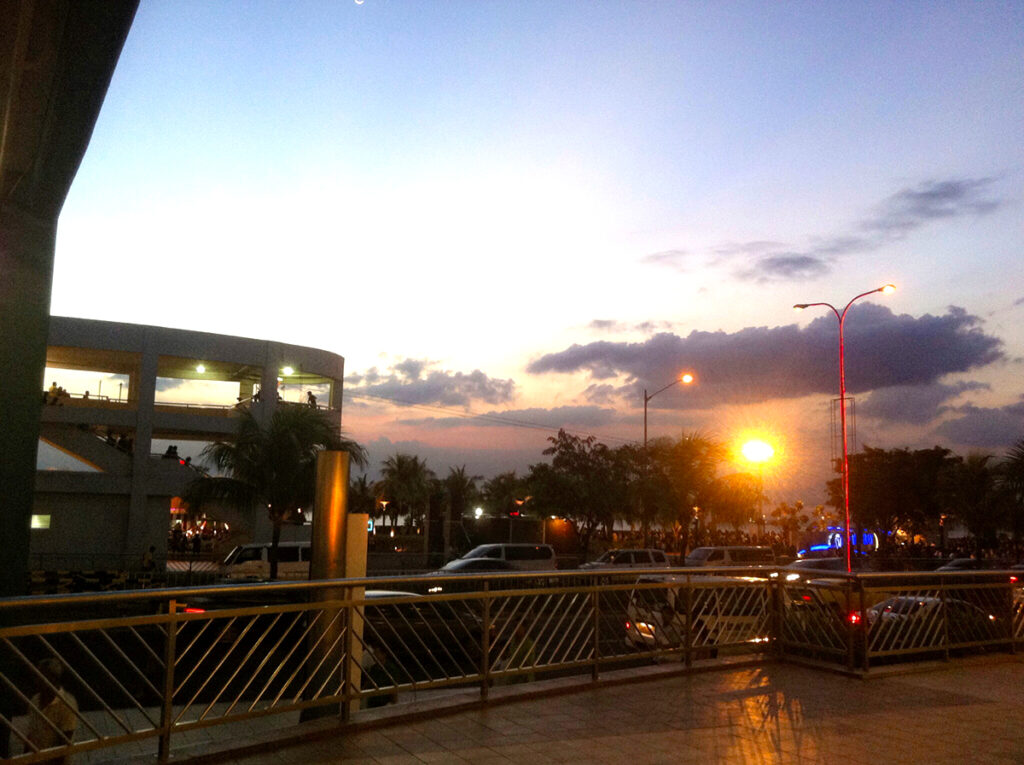
MOA in Pasay became one of our familiar spots. We often stayed there, and over time it felt almost routine. The bay area became our quiet escape. Watching the sunset there, with the city behind us and the sea in front, offered a pause from the chaos.
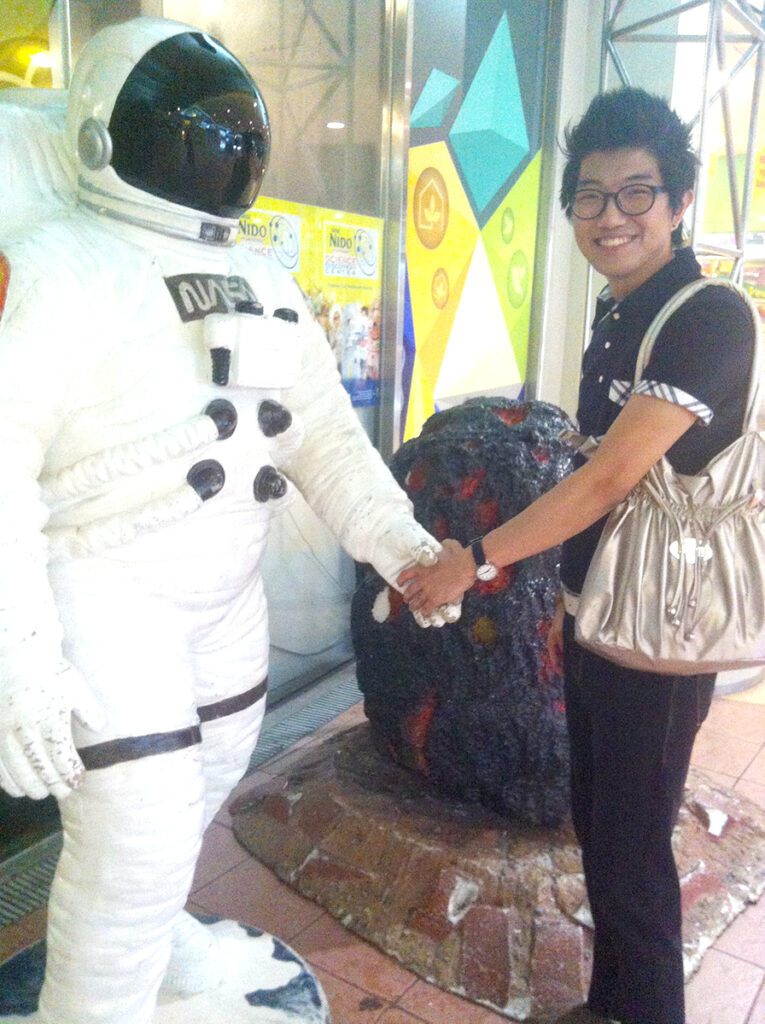
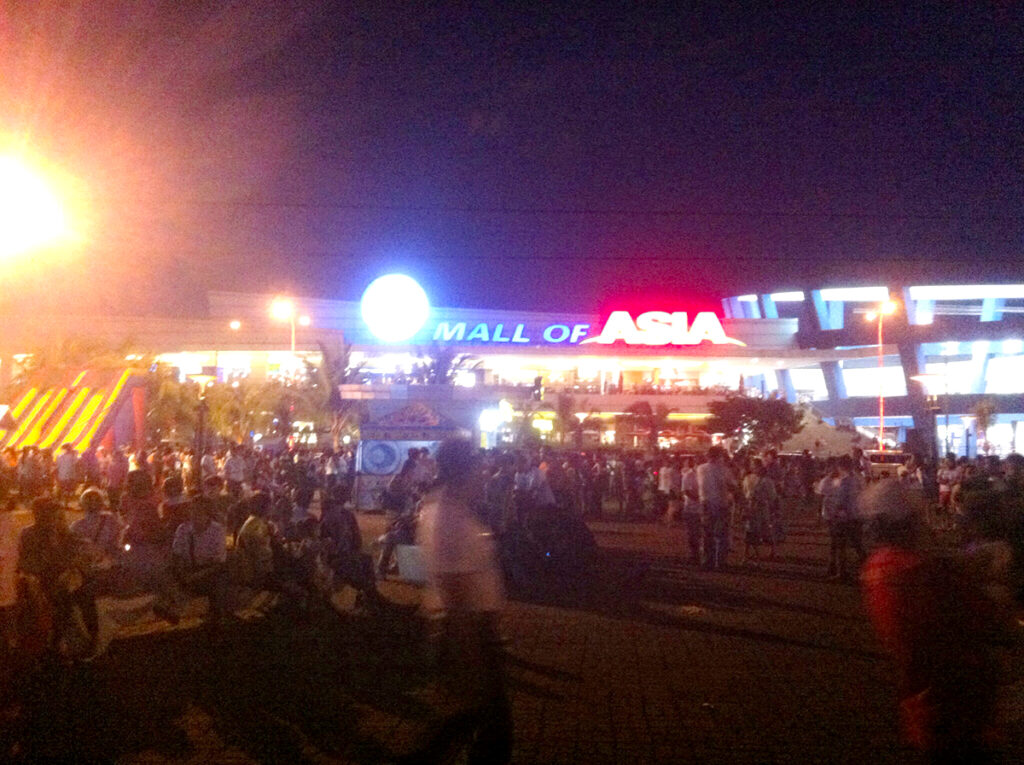
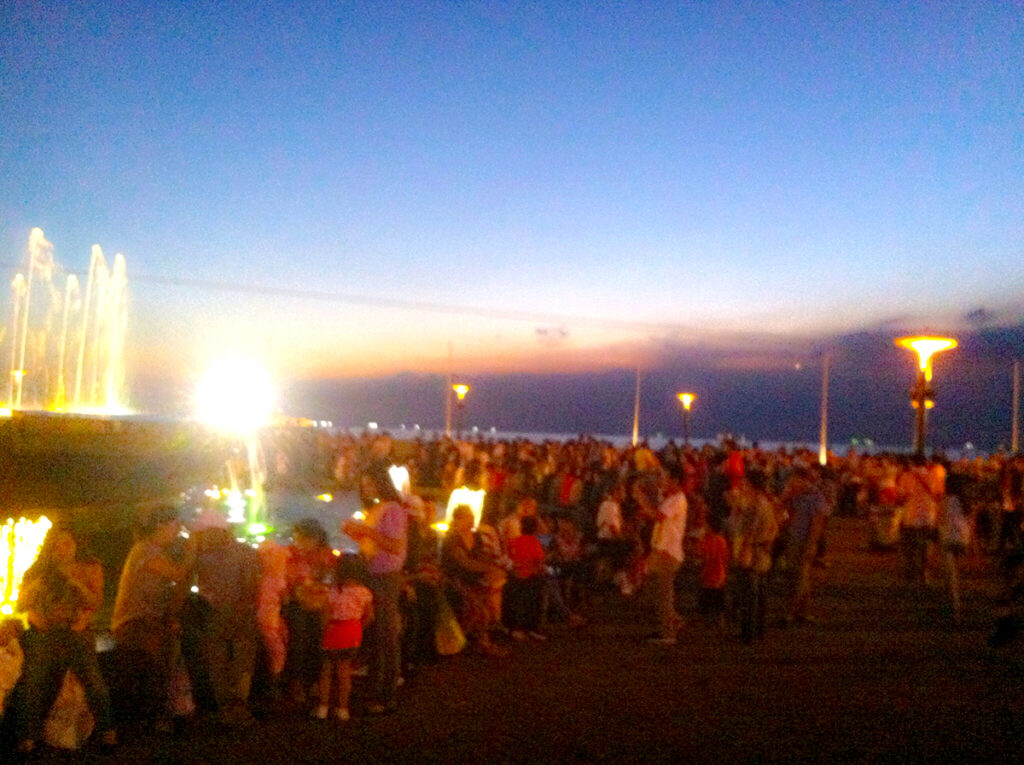

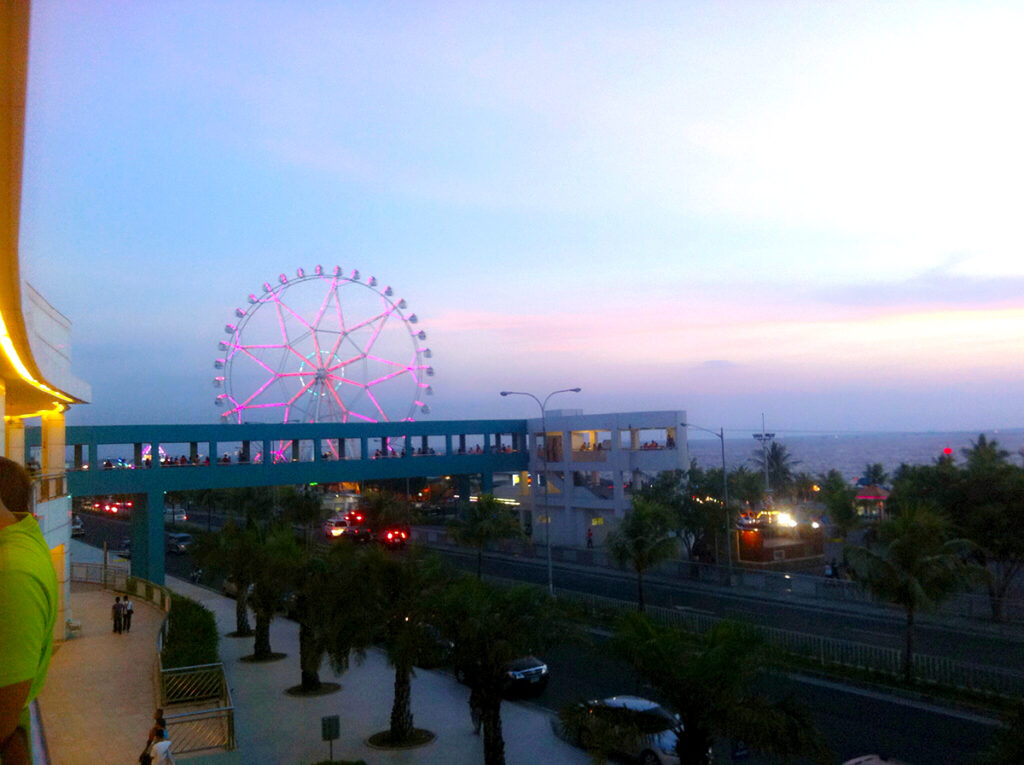




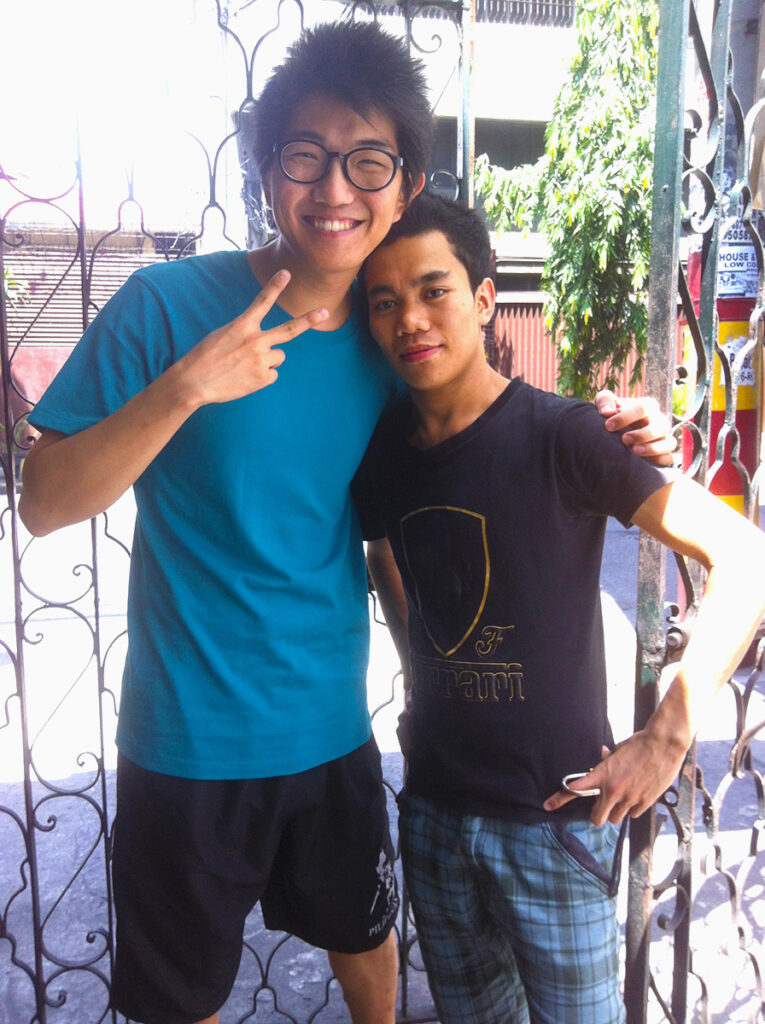
We met people along the way and formed brief connections. Nothing dramatic, just small, human moments that stayed with us. A few nights out added to the experience, including one where we ended up drinking beer from a beer tower dispenser. Messy, loud, and fun in the way city nights often are.


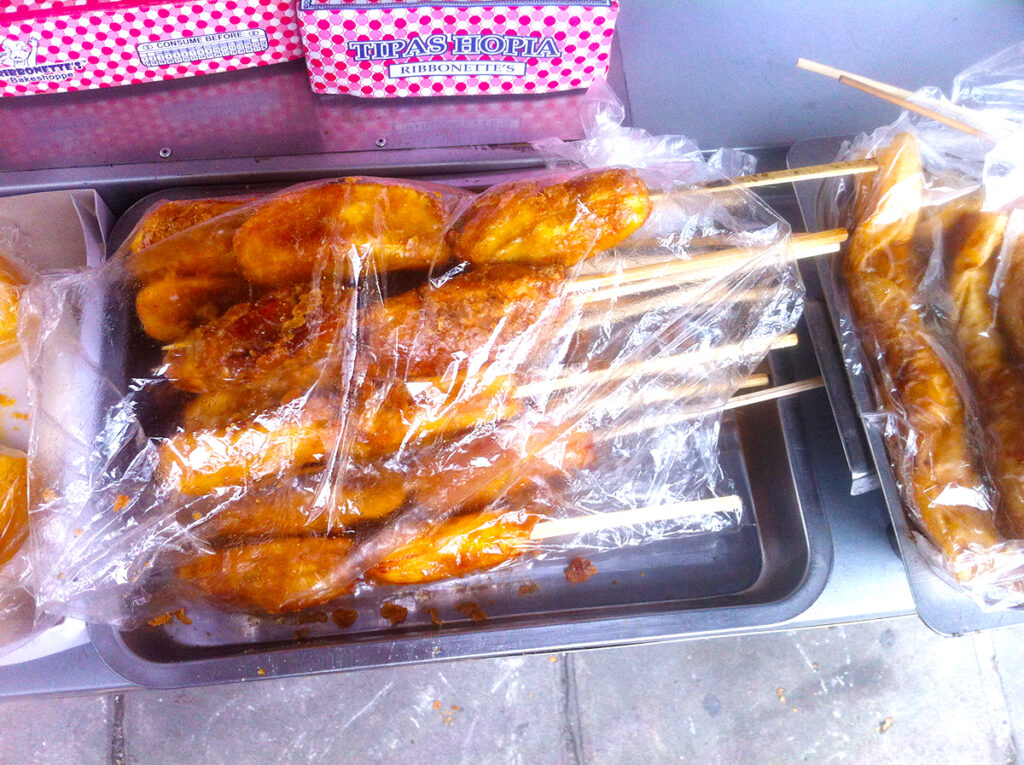
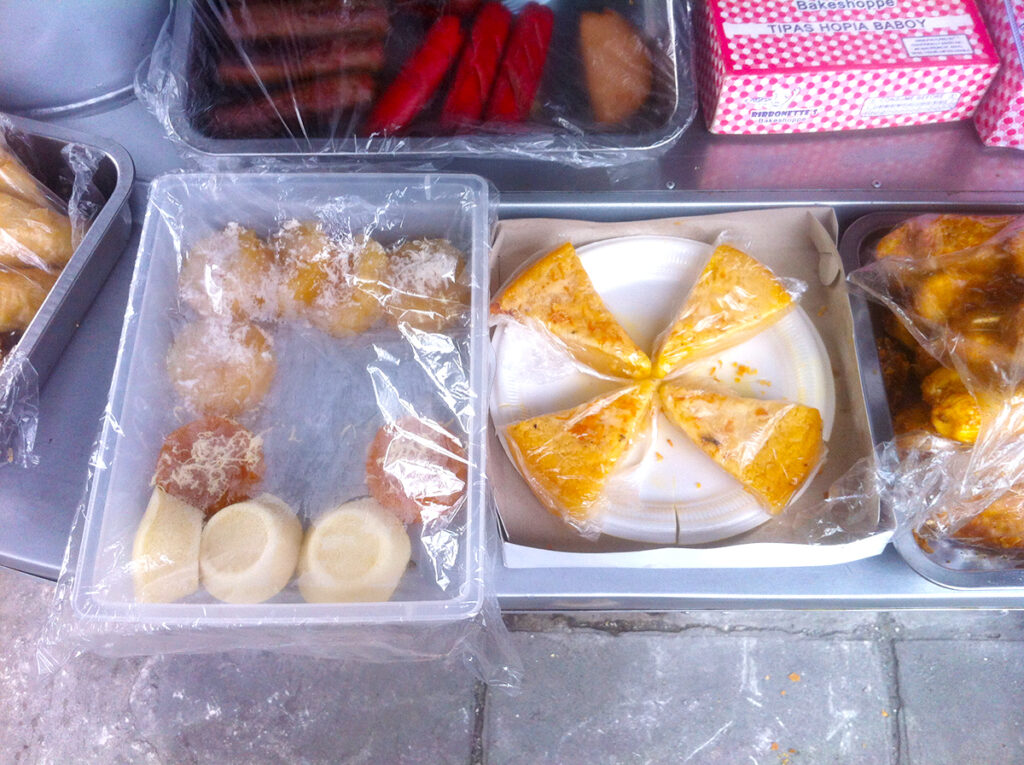
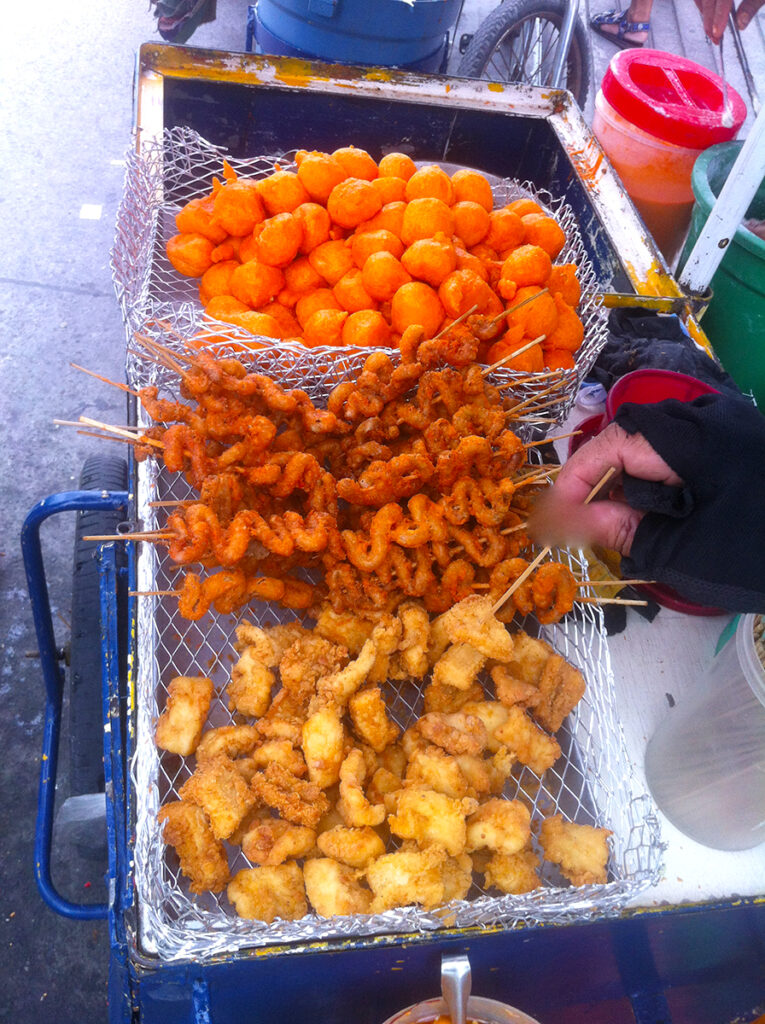
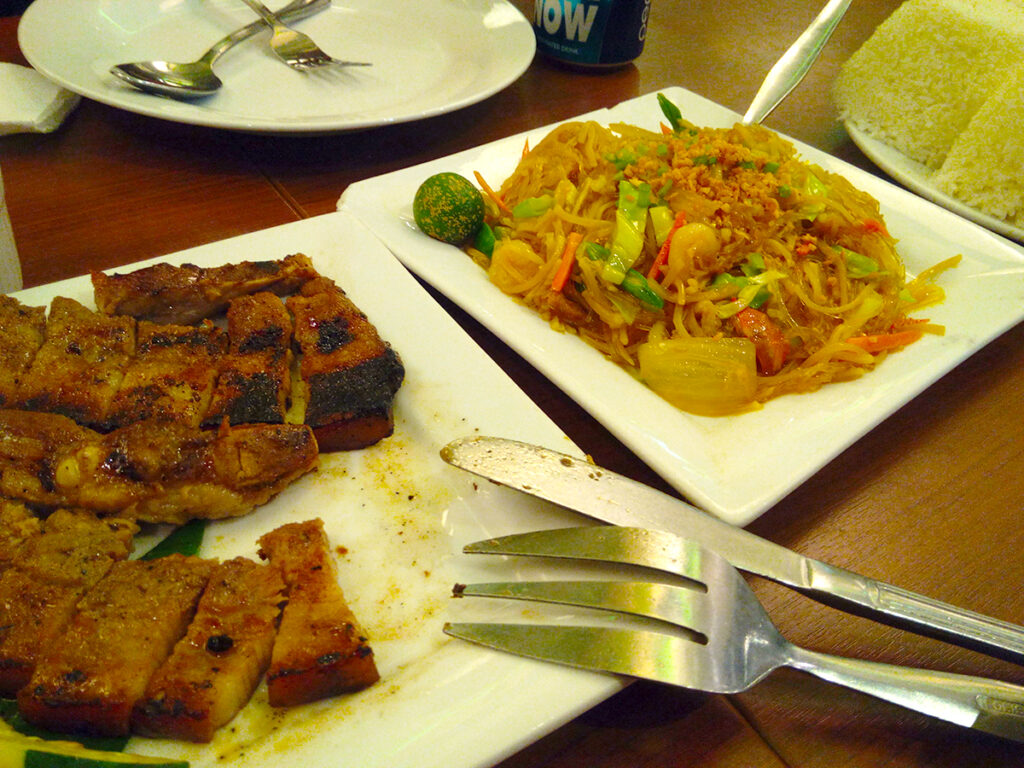
Food played a major role in daily life. Philippine food is bold and filling, meaty, flavorful, often oily, with many dishes deep-fried.

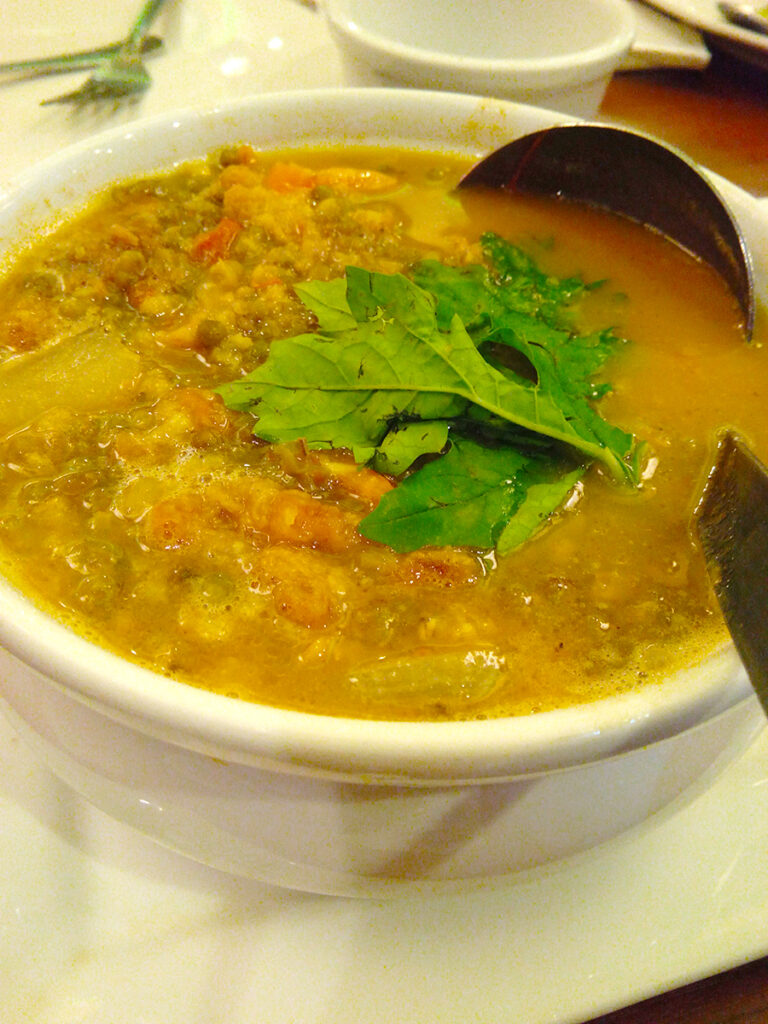
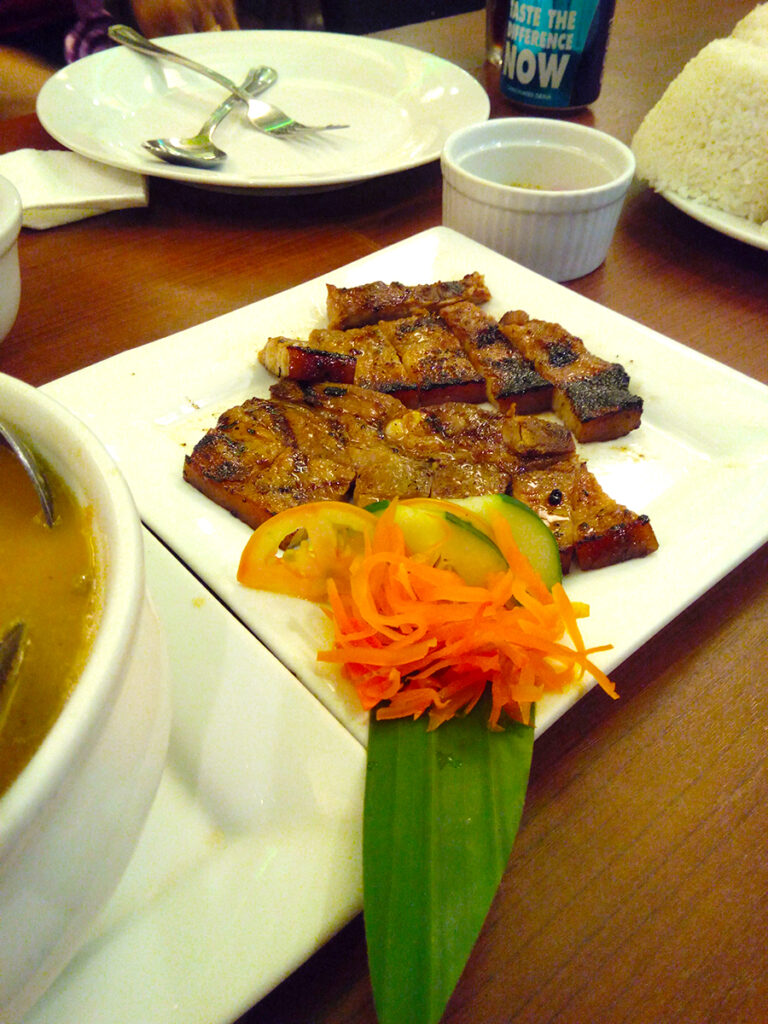


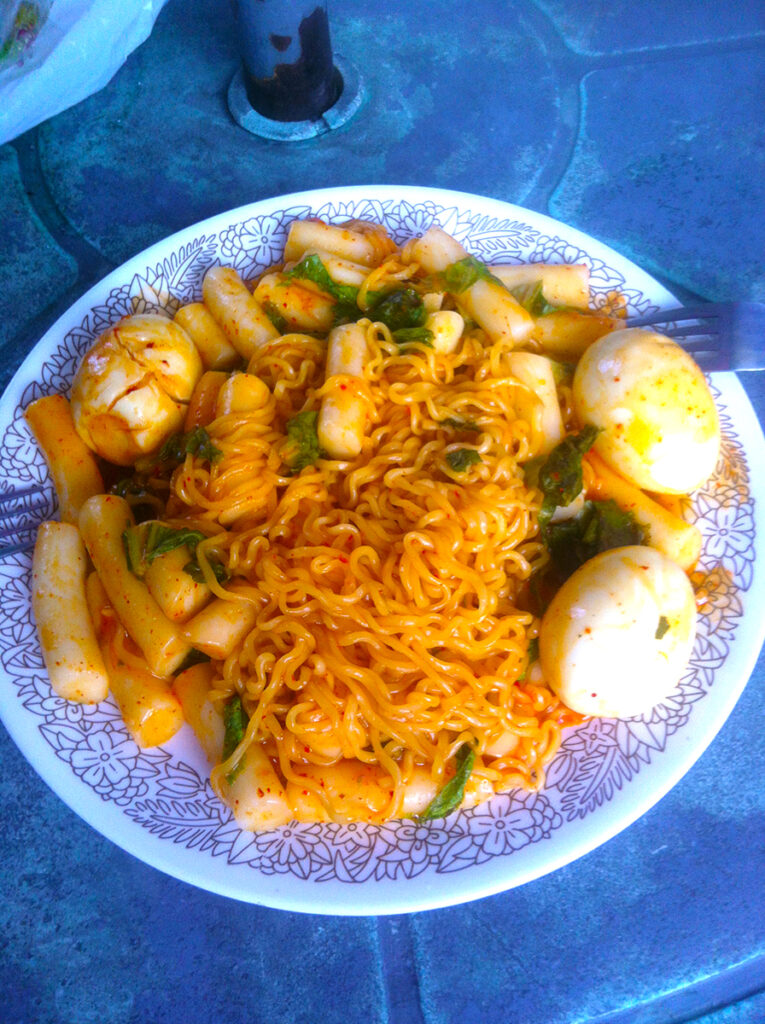
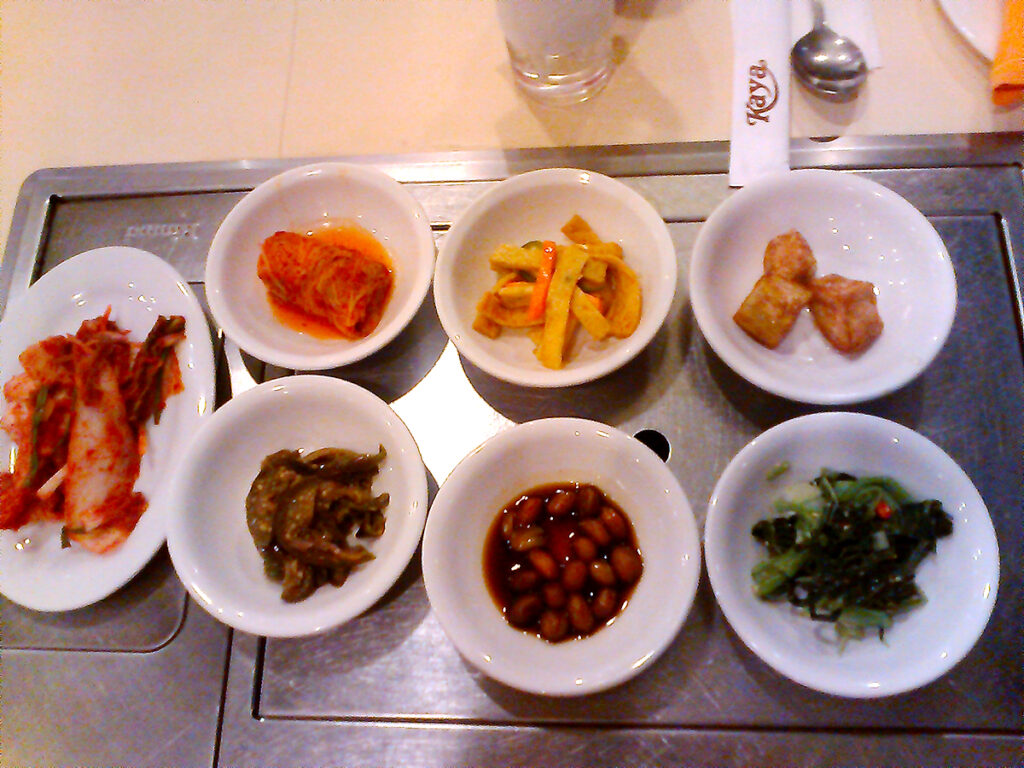
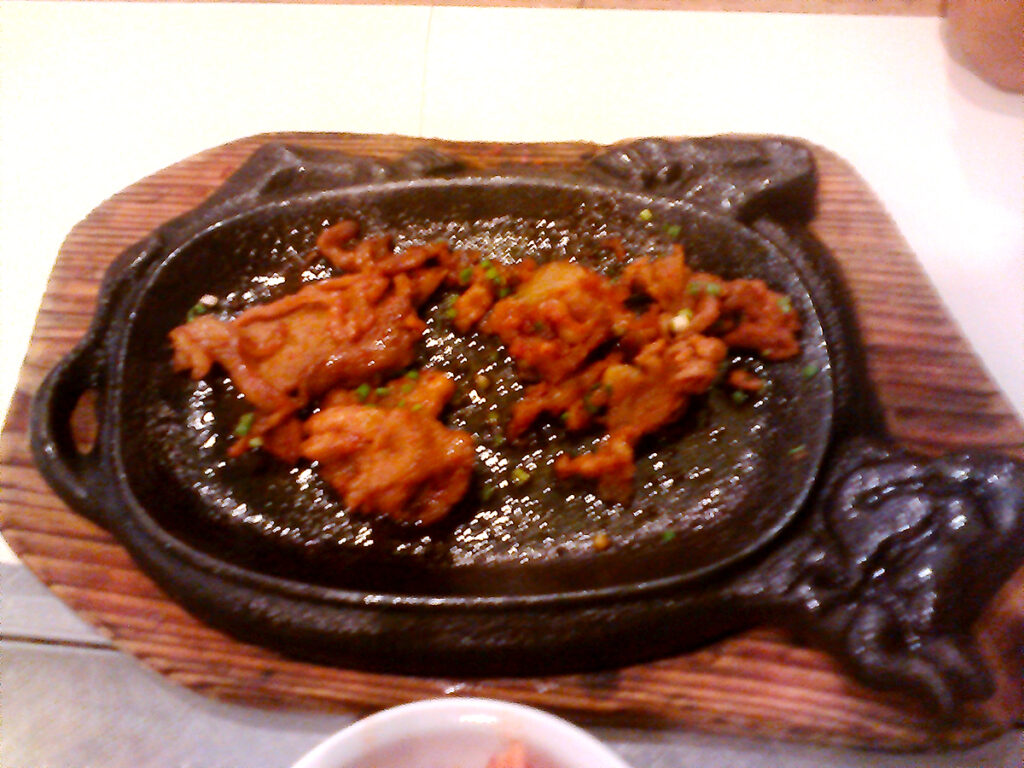
After months of this, Ki started craving Korean food, so we searched and eventually found a Korean restaurant called Kaya Restaurant. That meal felt familiar and grounding after weeks of heavy flavors.


Six months in the Philippines wasn’t about highlights or picture-perfect moments. It was about adjusting to the heat, the noise, the delays, and the unpredictability, then finding comfort in routine. By the end of our stay, the chaos felt normal, the streets familiar, and the lifestyle something we understood rather than observed.

Living together during those six months slowly changed us. It gave us the space to really see each other, our habits, temperaments, and the small differences that don’t surface in short visits or conversations. We sometimes joked and called it our “fight arena,” but it was mostly a period of learning. Coming from different backgrounds meant constant adjustments, small misunderstandings, and lessons in patience. It wasn’t always easy, but it was honest and real.
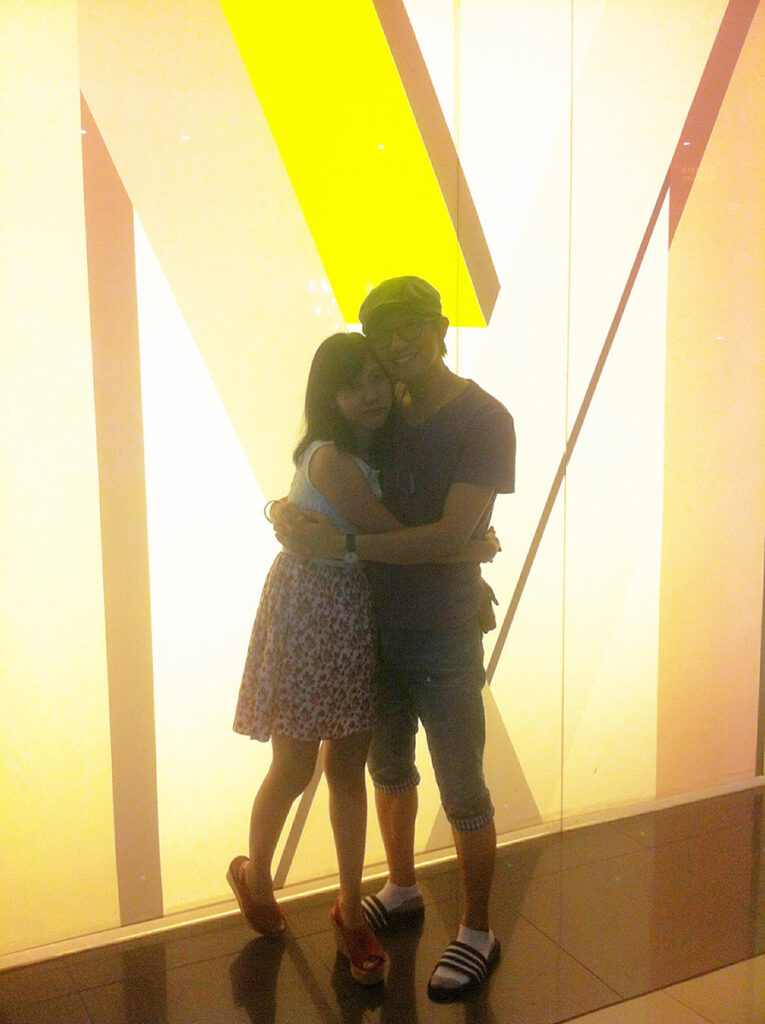
What stayed with us most was how that time shaped the way we chose to move forward. We weren’t perfect, just two people trying to meet each other halfway. Through everyday effort and quiet understanding, we learned how to share not just a space, but responsibility and direction. Looking back, those months helped us realize that choosing marriage wasn’t about certainty. It was about commitment, and it wasn’t such a bad idea after all.